AI SEO: How to Get Your Brand Found in AI Search (2026)
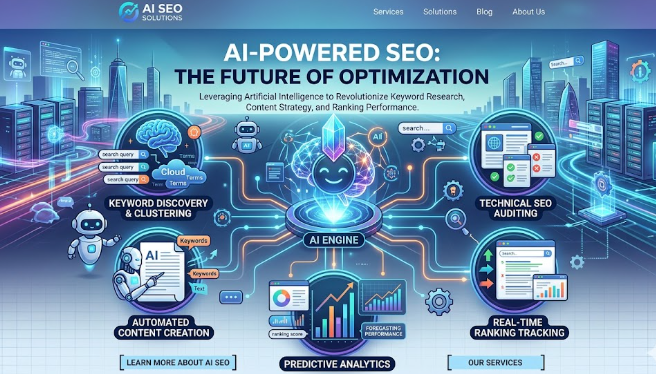
AI SEO (also called GEO - Generative Engine Optimization) is the practice of optimizing your brand so AI systems like ChatGPT, Gemini, and Perplexity recommend it when users ask questions in your category. Traditional SEO targets Google rankings. AI SEO targets AI citations.
What is AI SEO?
AI SEO is the evolution of search optimization for the age of AI-generated answers. When someone asks ChatGPT "best project management tool for a startup" they don't get 10 blue links - they get one synthesized answer. AI SEO is how you get into that answer.
Also known as GEO (Generative Engine Optimization), AI SEO covers six major platforms: ChatGPT, Gemini, Perplexity, Claude, Grok, and Google AI Overview. Each platform has slightly different ranking signals, but the core principles overlap - entity clarity, third-party citations, and direct answer-first content.
Right now, most businesses have not started on AI SEO. That window won't stay open. The brands building their AI visibility today are the ones that will dominate AI-generated recommendations over the next two years.
AI SEO vs Traditional SEO
| Factor | Traditional SEO | AI SEO |
|---|---|---|
| Target platform | ChatGPT, Gemini, Perplexity | |
| Key metric | Keyword ranking | AI citation rate |
| Main signal | Backlinks | Entity authority + citations |
| Content format | Keyword density | Direct answers + FAQs |
| Time to results | 6-12 months | 4-8 weeks |
| Tools | Ahrefs, SEMrush | AI SEO tools like GeoIQ |
The 5 AI SEO Ranking Factors
1. Entity clarity
AI models build their understanding of your brand by aggregating data from multiple sources. Your website, LinkedIn, Crunchbase, Product Hunt, and press mentions should all describe your company consistently - same name, same one-sentence description, same target audience. Inconsistency is the most common reason AI models misrepresent or skip a brand.
2. Third-party citations
AI models weight independent mentions more than your own website content. Getting listed on G2, appearing in a Tech in Asia article, being mentioned in a Hacker News discussion, or getting cited in an industry roundup each add to the citation pool AI models draw from. Read the full AI citation guide for a prioritized list of citation sources by impact.
3. Technical signals
Add an llms.txt file to your domain root. Verify your robots.txt does not block AI crawlers (GPTBot, ClaudeBot, PerplexityBot, Google-Extended). Add Organization schema markup to your homepage. These are one-time fixes that take under two hours total and give AI crawlers a clean, structured summary of your brand.
4. Answer-first content
AI models extract answers from content. If your pages bury the main point after three paragraphs of backstory, the model skips you and cites a competitor whose content answers the question in the first sentence. Rewrite your homepage and key landing pages to lead with a direct, one-sentence answer to "what does this product do and who is it for."
5. Content freshness
AI models - especially Perplexity, which indexes the live web - favor recently updated content. Review and refresh your key pages quarterly. Update statistics, add new use cases, and keep your product descriptions current. Stale pages lose citation share over time.
How to Check Your AI SEO Score
Use GeoIQ's free audit. Paste your domain and get your AI visibility score across 6 platforms in 60 seconds. No signup. The audit shows your current citation rate, what competitors are being recommended instead of you, and a prioritized list of fixes.
For a deeper dive on a specific platform, read how to rank in ChatGPT - it covers ChatGPT-specific signals in more detail.
Check your AI SEO score for free
No signup. No credit card. See your AI visibility score across ChatGPT, Gemini, Perplexity, Claude, and Grok in 60 seconds.
Run free AI SEO auditFrequently Asked Questions
What is AI SEO?
AI SEO is the practice of optimizing your brand so AI systems like ChatGPT, Gemini, and Perplexity recommend it when users ask questions in your category. It focuses on entity clarity, third-party citations, and direct answer-first content rather than traditional keyword and backlink signals.
How is AI SEO different from regular SEO?
Traditional SEO optimizes for keyword rankings in Google search results. AI SEO optimizes for citation in AI-generated answers. The ranking signals are different - AI models weight entity consistency, citation authority, and content directness over keyword density and backlink volume.
Which AI platforms should I optimize for first?
Start with ChatGPT and Perplexity - they have the highest query volumes for product and service recommendations. Perplexity indexes the live web, so improvements can show up in 4-8 weeks. ChatGPT relies on training data, so your entity footprint across third-party sources matters most there.
How long does AI SEO take to work?
For Perplexity, meaningful improvement in 4-8 weeks with consistent effort. For ChatGPT, results depend on training cycles and may take 3-6 months. Technical fixes like llms.txt and schema markup take effect as soon as AI crawlers re-index your site - often within days.
What is the most important AI SEO signal?
Entity clarity. AI models aggregate information about your brand from multiple sources. Consistent, accurate information across your website, LinkedIn, Crunchbase, G2, and press coverage builds the entity authority that makes AI systems confident recommending your brand.
Can I do AI SEO without a developer?
Most of it, yes. Updating entity profiles, rewriting content, and adding llms.txt require no development skills. Organization schema is a small code edit - most site builders can handle it with a plugin or your developer can add it in 20 minutes.
What tools do I need for AI SEO?
GeoIQ measures your AI visibility score and gives a prioritized fix roadmap. Beyond that, you need access to your brand profiles (LinkedIn, Crunchbase, G2) and your website. No expensive tooling required to get started - the free audit covers everything you need for your first 30 days.